-
 Puregen Labs Meclizine
1 × $$55.00
Puregen Labs Meclizine
1 × $$55.00 -
 Pranarom Pure Essential Oil 1 × $$15.00
 -
 Pediatric Stethoscope 1 × $$30.00
 -
 Puregen Labs Allergy Relief 1 × $$55.00
 -
 Digital Thermometer 1 × $$15.99
Subtotal: $170.99
 Puregen Labs Meclizine
1 × $$55.00Pranarom Pure Essential Oil 1 × $$15.00Pediatric Stethoscope 1 × $$30.00Puregen Labs Allergy Relief 1 × $$55.00Digital Thermometer 1 × $$15.99
Puregen Labs Meclizine
1 × $$55.00Pranarom Pure Essential Oil 1 × $$15.00Pediatric Stethoscope 1 × $$30.00Puregen Labs Allergy Relief 1 × $$55.00Digital Thermometer 1 × $$15.99Subtotal: $170.99
Medova is a convenience services to the adaptability, Spacious modern villa living room with centrally placed swimming pool blending indooroutdoor
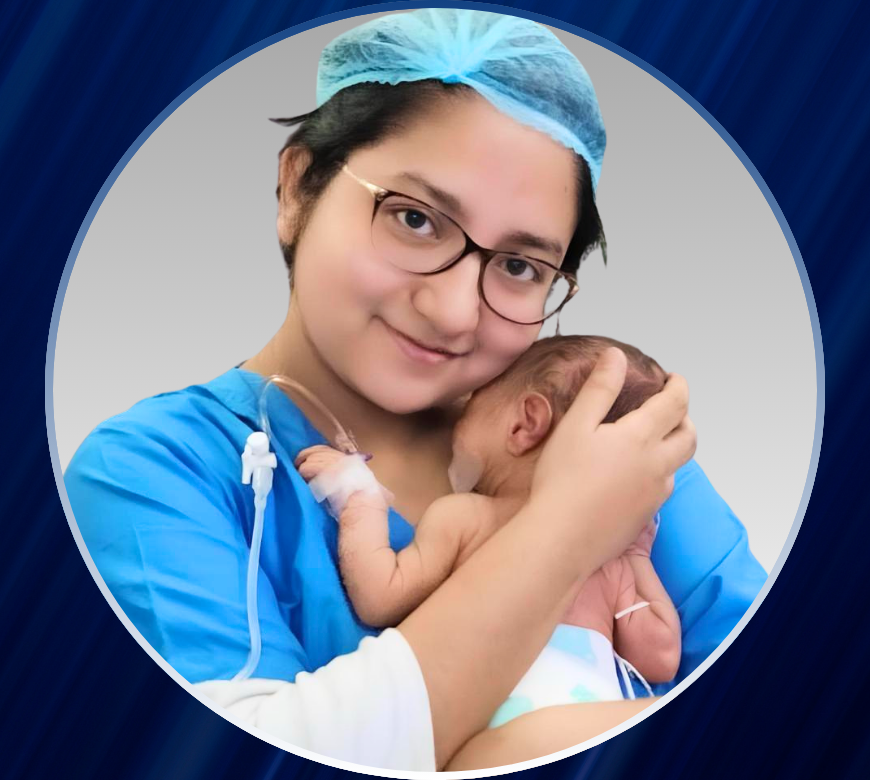
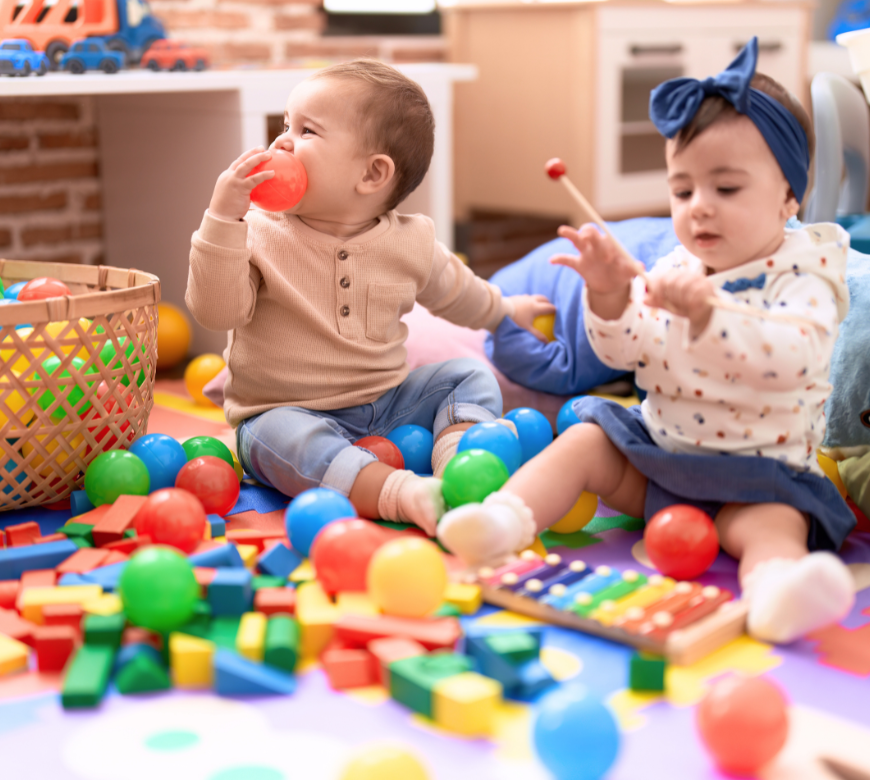
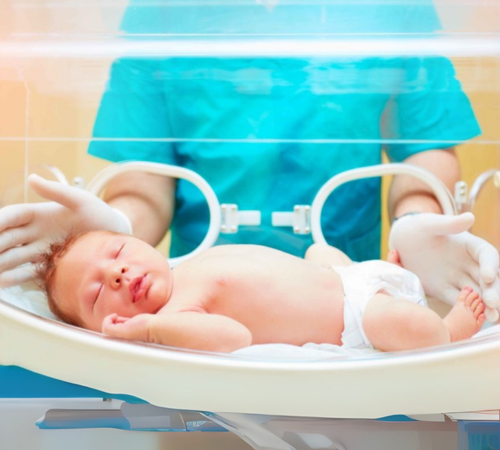
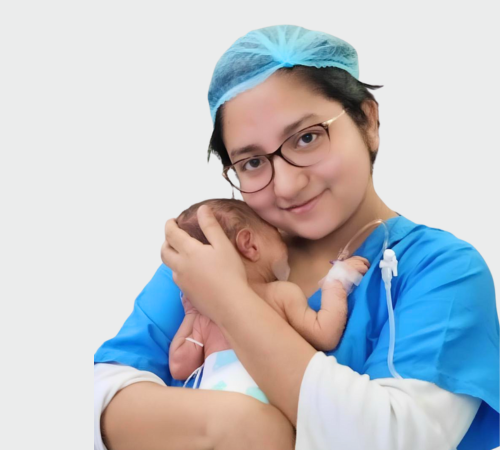
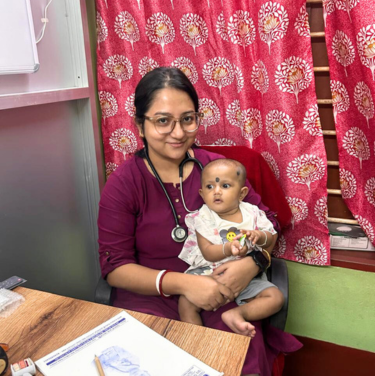
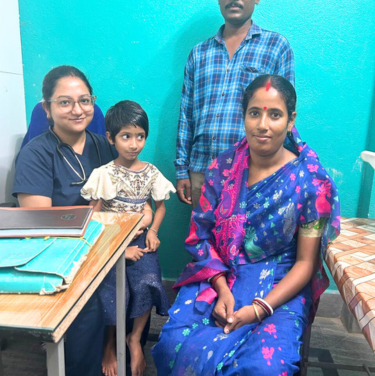
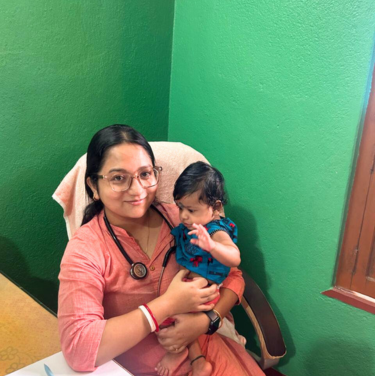
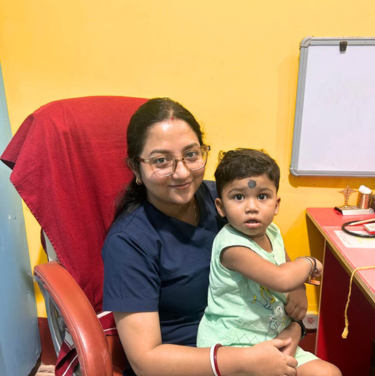
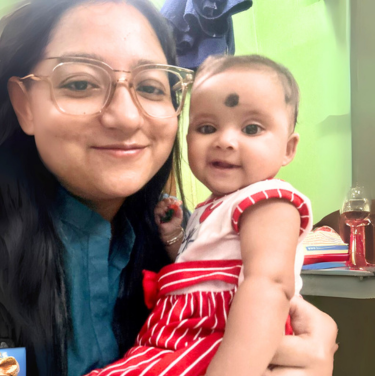
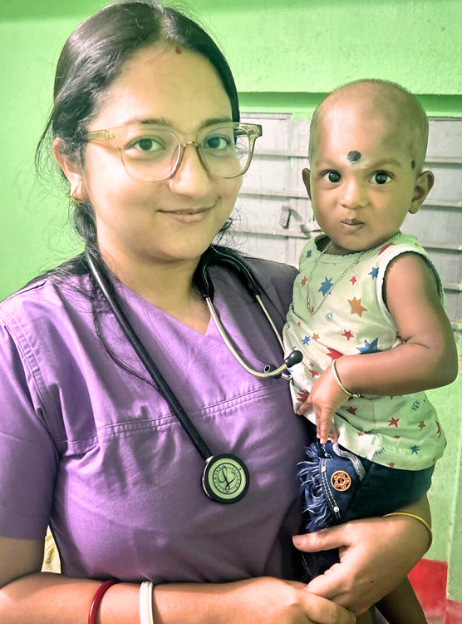
Dr. Nivedita Manna is a compassionate and skilled pediatrician, committed to delivering comprehensive healthcare for newborns, infants, children, and adolescents. With advanced qualifications in Pediatrics from India, the UK, and Boston, she combines global medical training with a deep understanding of child and family needs. Her practice emphasizes both treatment and prevention — from newborn care and vaccinations to nutrition, growth monitoring, and developmental support. She is especially passionate about breastfeeding guidance, child nutrition, and preventive pediatric health, ensuring children thrive in every stage of life. View More

Awards

Happy Patients


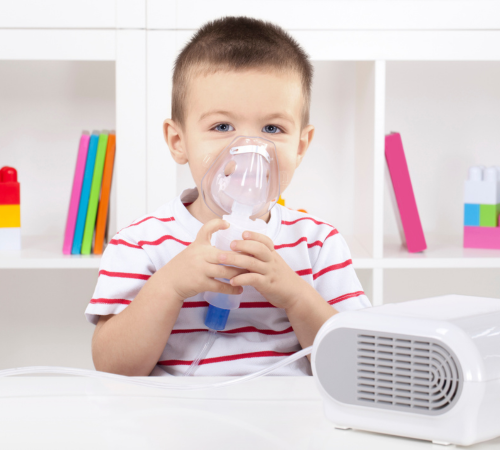
Inhalers deliver medicine directly to the lungs, so they act faster, work better, and cause fewer side effects than cough syrups for conditions like wheezing and asthma.
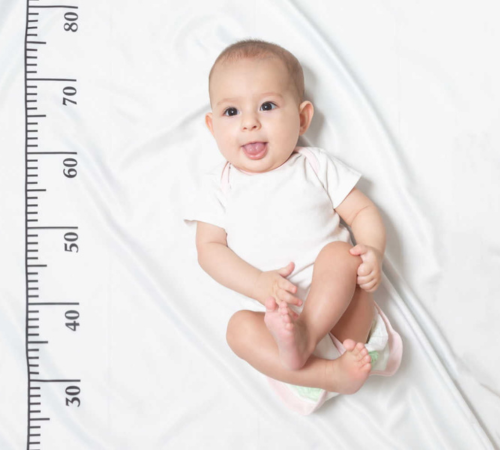
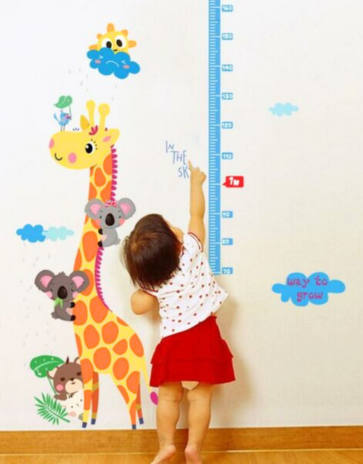
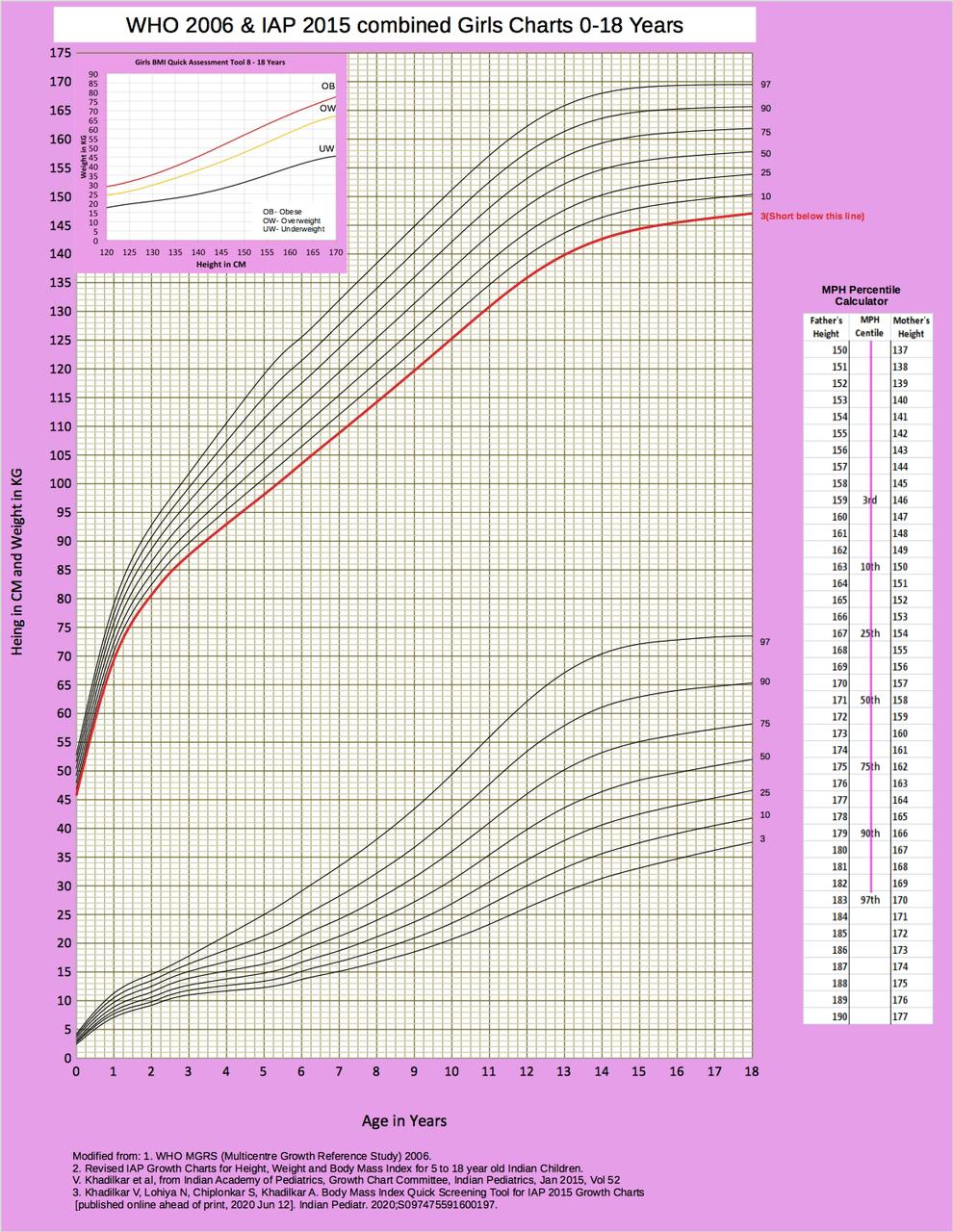
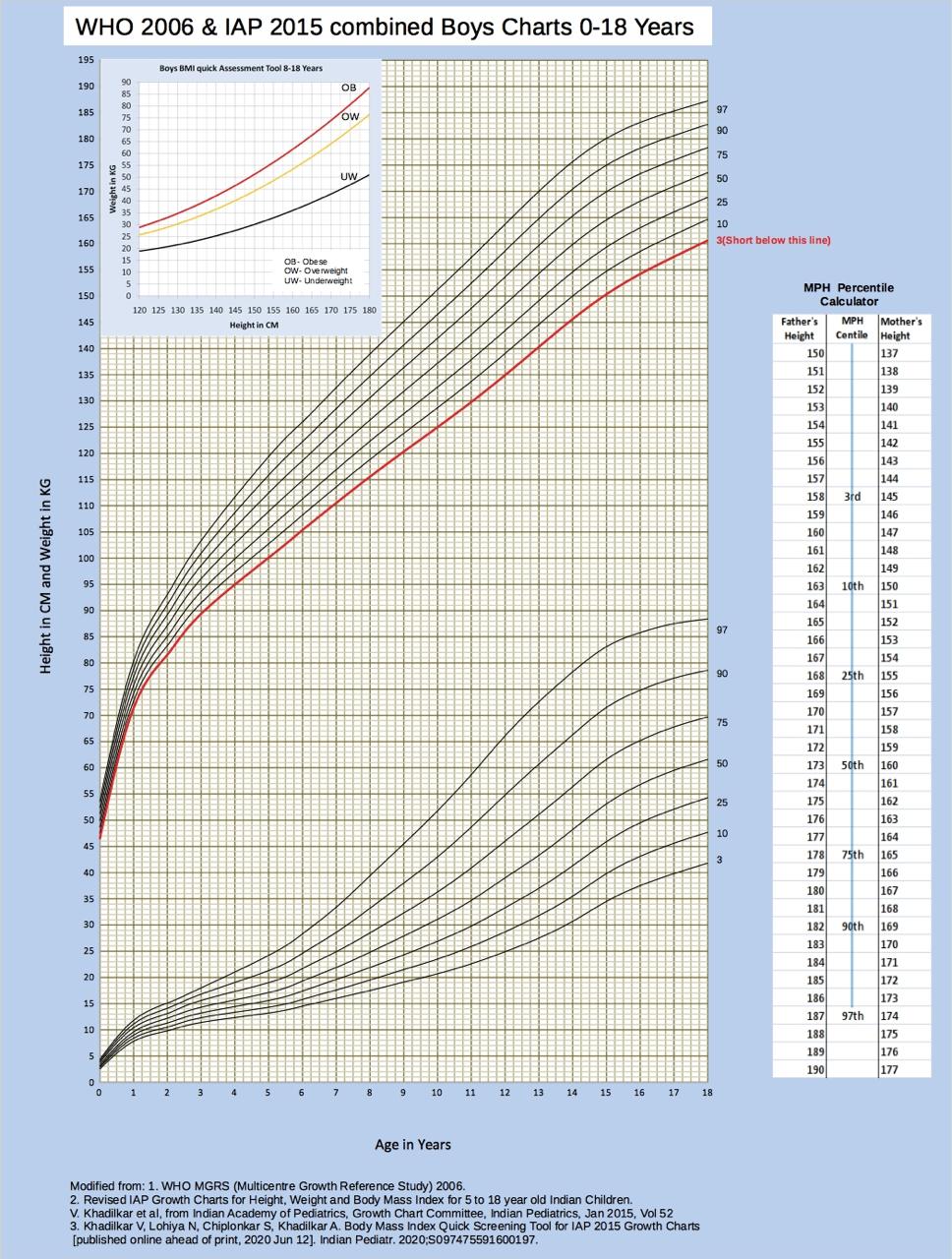
Refer to your child’s growth chart based on their age, weight, and height. Growth is assessed by the growth curve, not by appearance alone.
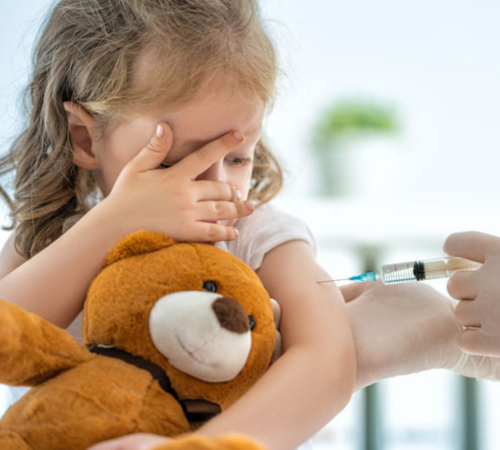
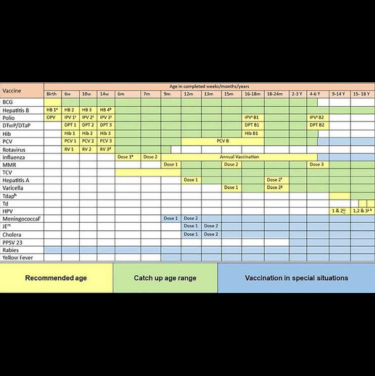
The Government immunization schedule protects against many serious diseases. However, the following vaccines are not routinely included in the Government schedule and may be recommended depending on your child’s age and risk factors:
• Influenza vaccine
• Mumps vaccine (as part of the MMR vaccine)
• Typhoid vaccine
• Hepatitis A vaccine
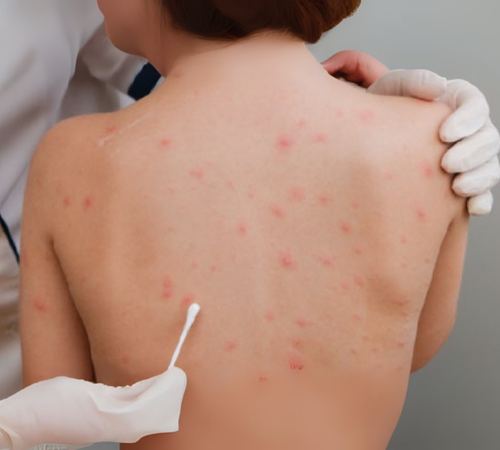
• Varicella (chickenpox) vaccine
• Meningococcal conjugate vaccine
• HPV vaccine
Please consult your pediatrician for an individualized vaccination plan tailored to your child.
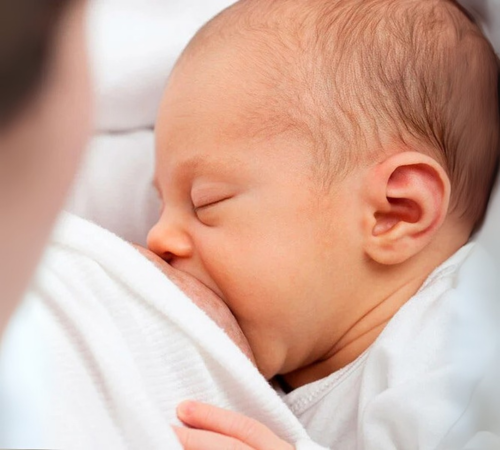
Your breast milk is usually adequate if your baby:
• Gains around 500 g to 1 kg per month during the first 3 months of life
• Passes urine at least 6–8 times per day
• Sleeps for about 60–90 minutes after most feeding sessions
• Is active and growing well on the growth chart
Regular growth monitoring is the best indicator of adequate feeding.
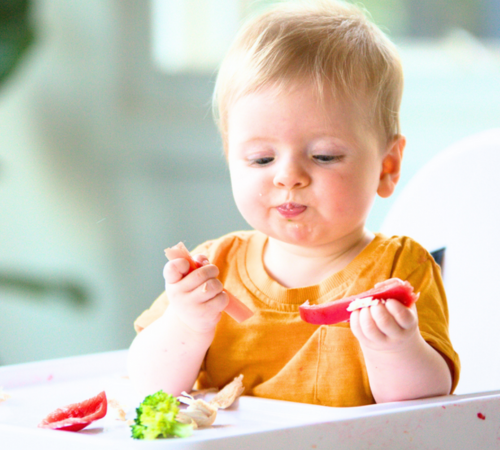
Most babies are ready for solids at 6 completed months while continuing breastfeeds or formula feeds. Signs of readiness include good head control, sitting with support, showing interest in food, and opening their mouth when food is offered. Start with soft, mashed foods such as rice cereal, fruits, vegetables, or homemade family foods with an appropriate consistency. Introduce one new food at a time and gradually increase the variety and quantity.
International guidelines recommend delaying your baby’s first bath for at least 24 hours after birth. Many parents also prefer sponge baths until the umbilical cord stump falls off. In my practice, I generally recommend postponing tub baths for the first 21 days of life to maintain a simple, uniform approach for all families. During this period, gentle sponge baths are sufficient while keeping the baby warm and the umbilical cord stump clean and dry.
 Emergency Contact24/7+91 8250550401Emergency Contact24/7+91 8250550401Emergency Contact24/7+91 8250550401Emergency Contact24/7+91 8250550401
Luckily I got her number from one of my neighbour.Her treatment is best suited for my 6months daughter.Her caring attitude melts my heart and she listens everything so patiently that I really liked .The best part is she is very prompt and always reachable over what's app msg /call. Thank you so much Mam.☺️

Dr. Nivedita Manna is an excellent pediatrician in the Belgharia area. She has a wonderful demeanor and takes ample time to examine the children. I have been taking my child to her since infancy, and she consistently prescribes the appropriate medication.

First of all, Dr. Nivedita Manna Madam is one of the best persons. She is very caring and down to earth. We are receiving the best treatment from her for our one and half month new born baby. She is reachable always through call, whenever we faced any difficulty for our baby girl. Thank You Madam for your active support and cooperation for every children.

Dr. Nivedita Manna OMG... She is my lady crush now a days. Smiling face, very polite, friendly,energetic and caring. I am a new mom & very much finicking about my baby. I actually annoying her almost every day but she always respond me so nicely. A excellent pediatrician near me. Treated children like her own with a Smile on Face. Highly recommended... ❤️

Dr. Nivedita Manna mam is very friendly and talks like a friend rather than being purely professional. She is a very good doctor. She stays in touch over the phone at all times, has a great sense of responsibility, and truly loves every child.

She is an extremely able pediatrician, guide... compassionate towards her patients, goes out of her way to relieve their worries. Very fortunate to get her care, treatment, guidance..

We visited Dr. Nivedita didi, and I must say he is the best child doctor in my area. He is extremely supportive, polite, and caring towards children as well as parents. His vast experience and clear explanations make us feel confident and comfortable. Highly recommended for anyone looking for a knowledgeable and compassionate pediatrician in dum dum belgharia .

Very good doctor & good behavior. Sincerely treated every children with enough time and easy reachable any emergency situation, quickly respond on whatsapp also.

She is a wonderful paediatritian, knows her work very well and diagnoses the cause in the first instant. She is updated about recent developments in children’s disease and cures. She even follows up on his own to ensure the child’s recovery.

Dr. Nivedita Manna is an exemplary practitioner specializing in pediatric and neonatal care. Her approach to treatment is both modern and highly effective, characterized by her meticulous attention to patient concerns. Dr. Manna addresses the root cause of a problem with a high degree of proficiency, as demonstrated in her successful treatment of our baby girl's chronic gut issue. A key aspect of her professional integrity is her commitment to responsible medical practice; she consistently avoids prescribing unnecessary tests or antibiotics. We are highly satisfied with the quality of care and treatment provided.

I visited Dr. Nivedita Manna for my daughter's health concerns,and I am extremely satisfied with her care.She patiently listens to all my worries, explains everything in detail and gives me confidence as mother.I highly recommend Dr. Nivedita Manna to any parent looking for a caring and skilled pediatrician.Truly one of the best doctors I have come across.

You are an excellent doctor with both great knowledge and a kind heart. Thank you for your care and dedication.

I'm so satisfied with her treatment, very good pediatrician.

I visited Dr. Nivedita Manna for my son's health concerns, and I am extremely satisfied with her careing

 Emergency Contact24/7+91 8250550401Emergency Contact24/7+91 8250550401Emergency Contact24/7+91 8250550401Emergency Contact24/7+91 8250550401